Build the system
Organizational Development
Organizational development at CLEAR asks whether your structure, roles, and processes still fit your strategy. We help you define roles and levels on a competency basis. We also prepare your leaders to take their people through the change that follows.
What organizational development covers
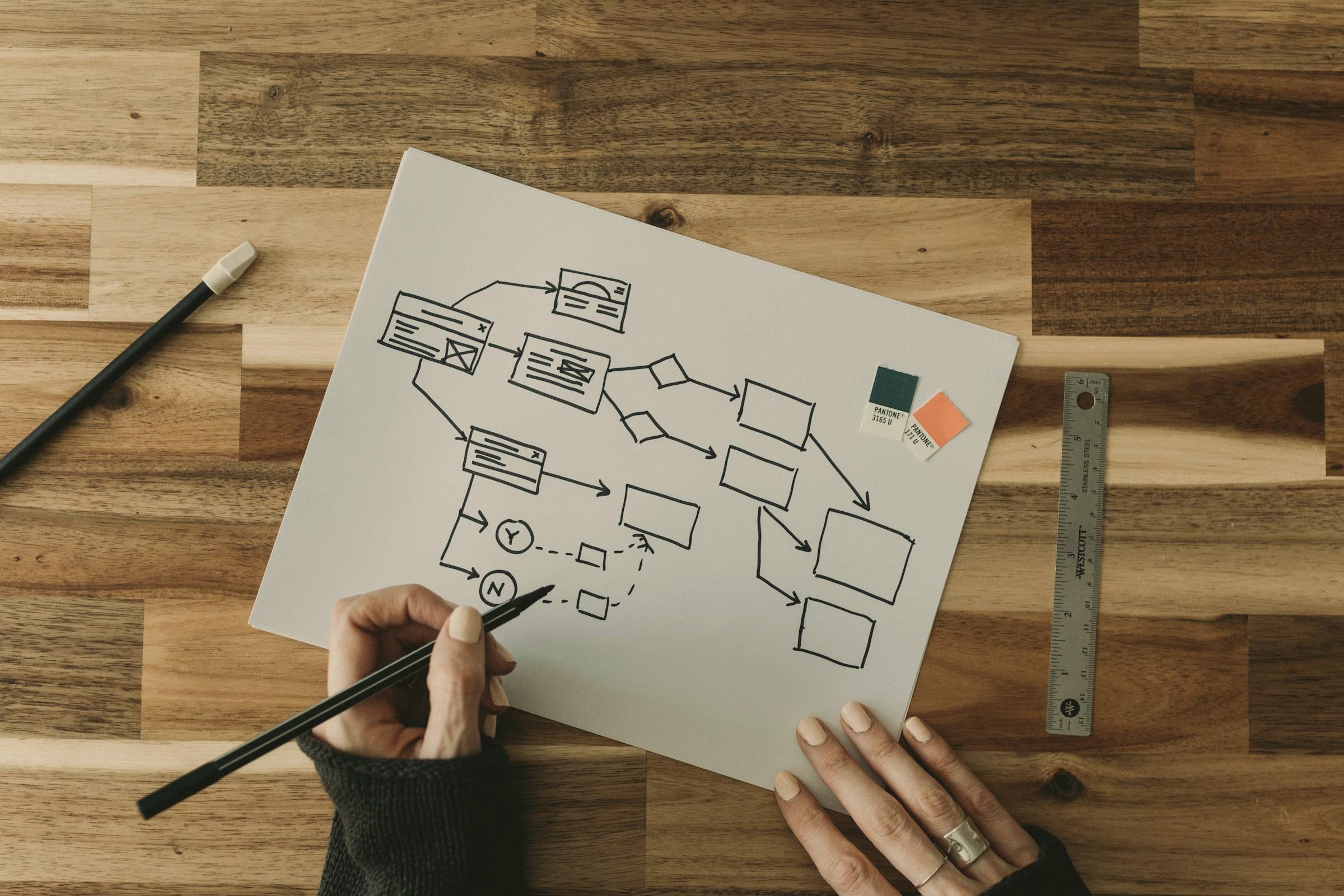
Organizational development (OD) is the work of fitting the organization to its strategy. We help businesses refine structures, strategies, and processes so growth does not outrun how work is organized. We look closely at how roles are defined, how they relate, and how decisions move through the business.
Our approach is competency-based. We start from the competencies each role requires. They shape role definitions, position levels, and reporting lines. Position leveling gives you a consistent basis for grading roles across teams and sites. The same competencies can later inform recruitment, development, and performance management. Your structure then connects to the rest of your human resources (HR) system, rather than standing apart.
Structural change also asks a great deal of people. Alongside the design work, we have delivered programs such as Managing Organizational Transitions and Change. The aim is managers who can explain a change and carry their teams through it.
Our consultants bring experience in HR, OD, business, and psychology. Our co-founder Maria Liza Fresnido has over 40 years in HR and OD. Her specialties include competency and results-based systems. We work with Philippine and multinational organizations from our base in Cebu City.
Where organizational development helps
-
The business has grown faster than its structure, and reporting lines no longer match how work gets done.
-
Job titles and grades have drifted, so similar roles sit at different levels across teams or sites.
-
Roles overlap, decision rights are unclear, and work stalls while it waits for the same few people.
-
A restructure or new strategy is coming, and managers are unsure how to bring their teams along.
Who organizational development is for
- Owners and CEOs of Philippine enterprises whose structure has not kept pace with growth
- COOs and site heads of shared-services centers adding teams, functions, or locations
- HR directors who need a consistent, explainable basis for job levels and grades
- Leadership teams preparing for a restructure or a change in strategy
How an organizational development engagement typically runs
- 01
Review the current state
An engagement typically begins with your strategy and your current structure, job descriptions, and reporting lines. Conversations with leaders and HR then show where roles overlap and where decisions stall.
- 02
Define competencies and roles
We agree with you on the competencies the organization needs. Those competencies shape each role’s purpose and accountabilities, so structure, hiring, and development can share one language.
- 03
Level the positions
In a Position Leveling Workshop, your leaders compare roles against agreed criteria and assign each one a level. The aim is a leveling framework your HR team can explain and maintain.
- 04
Prepare leaders for the transition
We help leaders plan how the changes are communicated, sequenced, and supported. We also prepare managers to guide their teams through the transition, not simply announce it.
Programs we have run
- 01 Competency-Based Organizational Development Program Included a Position Leveling Workshop.
- 02 Managing Organizational Transitions and Change Delivered in September 2024.
Related expertise
-
Competency-Based HR Systems
How do we hire, develop, and review people against the same standard?
Read more about Competency-Based HR Systems -
Leadership Development Programs
How do we turn strong performers into managers who lead well?
Read more about Leadership Development Programs
Organizational development: a closer look at your next step.
Explore focused ways to develop your people and improve the systems around them.
- Position leveling and role clarity
Job titles can drift as an organization grows. Position leveling helps leaders compare the responsibilities of roles and establish an explainable structure for the levels those roles occupy.
- Leading organizational change
A new structure or strategy changes more than a chart. Managers need to explain what is changing, acknowledge what remains uncertain and help people understand the responsibilities they will carry through the transition.
Organizational development starts with a conversation.
Tell us what you are working on, and we will tell you plainly whether and how we can help.
- Phone
- 0939 464 7346
- Office
- 1106 Vertex Central,
Archbishop Reyes Avenue, Cebu City Get directions (opens in a new tab)